

Internship
Undergraduate research and summer internships in dark matter, neutrinos and particle detectors.
Welcome to our lab as a research intern. Explore the preparation materials, example projects and summer research highlights below. To discuss joining us, contact Dr. Shengchao Li.
Preparation
Before you start, check out our recent research papers and preprints. For an introduction to neutrinos and dark matter, begin with the lectures and reviews below.
Dark matter
Dark matter models and direct detection (Tongyan Lin, UCSD). Minimum reading: Chapters 1, 2 and 4.
XENONnT Experiment: a liquid-xenon time projection chamber for searches for dark-matter interactions.
Windchime Experiment: a proposal to use quantum mechanical sensors to probe Planck-mass dark matter.
Neutrinos
Status and perspectives of neutrino physics (Manfred Lindner, MPIK, et al.). Minimum reading: Chapters 1, 2.2, 3.3, 3.4 and 5.4.7.
All things neutrino: introductory material from Fermilab.
RELICS Experiment: a liquid-xenon time projection chamber for detecting coherent elastic scattering of reactor neutrinos.
Research projects
Detector simulation and laboratory work
The PHY3019 Advanced Physics Laboratory provides an example of undergraduate detector research: GEANT4 simulation of a plastic scintillator coupled to a photomultiplier tube, detector assembly, data acquisition, calibration, and comparison of simulation with measured data.
Read the PHY3019 project description and training plan
The linked page is the 2025 course record; its assessment dates apply to that course.
Summer research examples
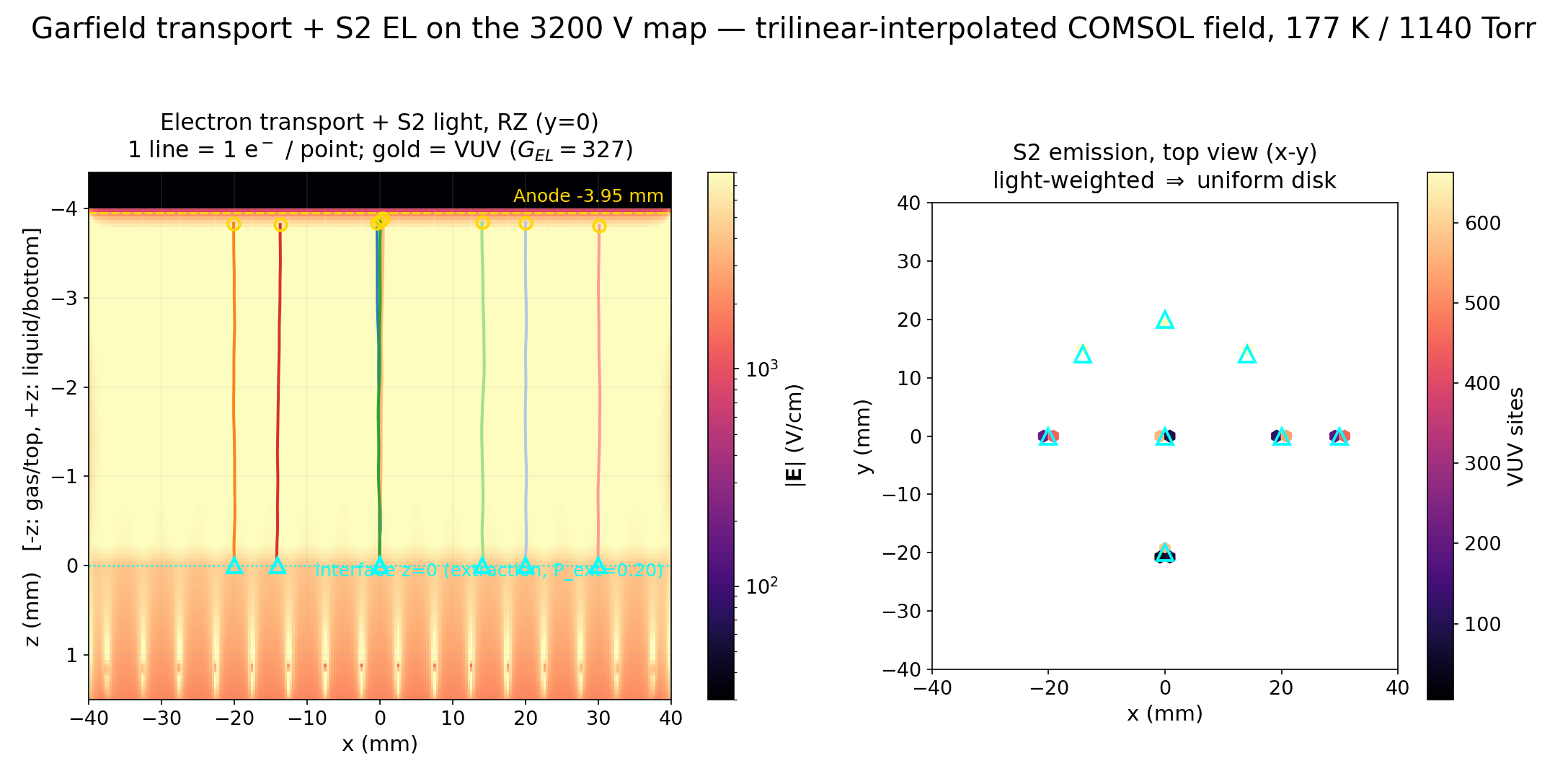
Recent internship work has included detector simulation, event reconstruction, photomultiplier-tube testing and calibration-system testing. The 2026 highlights below show how students combined laboratory work with computational analysis.
Summer Research 2026
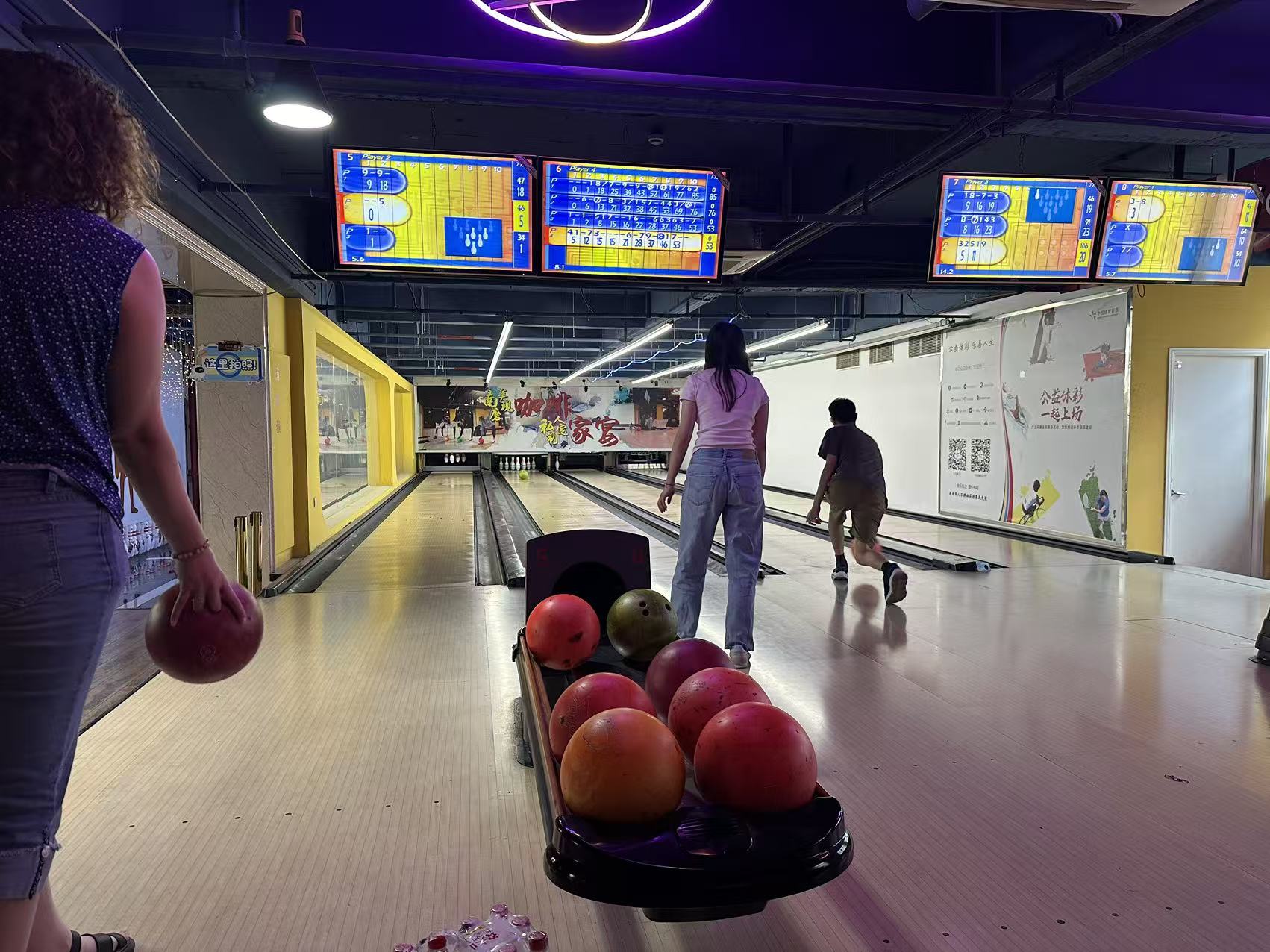
From July to September 2026, Chenghao Zhan from Beihang University, Nour Moubarak from MIT, and Junshi Wang from Imperial College London joined our group for research in detector simulation, event reconstruction, photomultiplier-tube testing, and calibration system testing. Their work combined hands-on laboratory experience with computational tools to study detector response and analyse experimental data. We thank Chenghao Zhan, Nour Moubarak, and Junshi Wang for their contributions, and our group members for their guidance and support.
Earlier internships
